
Northumberland Ham Broth Recipe
There are few meals more comforting than a pan of traditional Northumberland ham broth gently simmering on the stove. Made with ham, split peas, lentils and grated vegetables, this hearty soup has warmed North East homes for generations and is still a favourite Friday night supper in many families.
Slow-cooked until the ham is tender and the broth rich and thick, it’s a simple recipe made from everyday ingredients. The long cooking time fills the kitchen with a wonderful aroma, and the result is a satisfying bowl of soup that’s perfect for chilly autumn and winter days.
Whether you’re carrying on a family tradition or trying this North East classic for the first time, this ham broth recipe is an easy way to bring a little regional food heritage to your table.
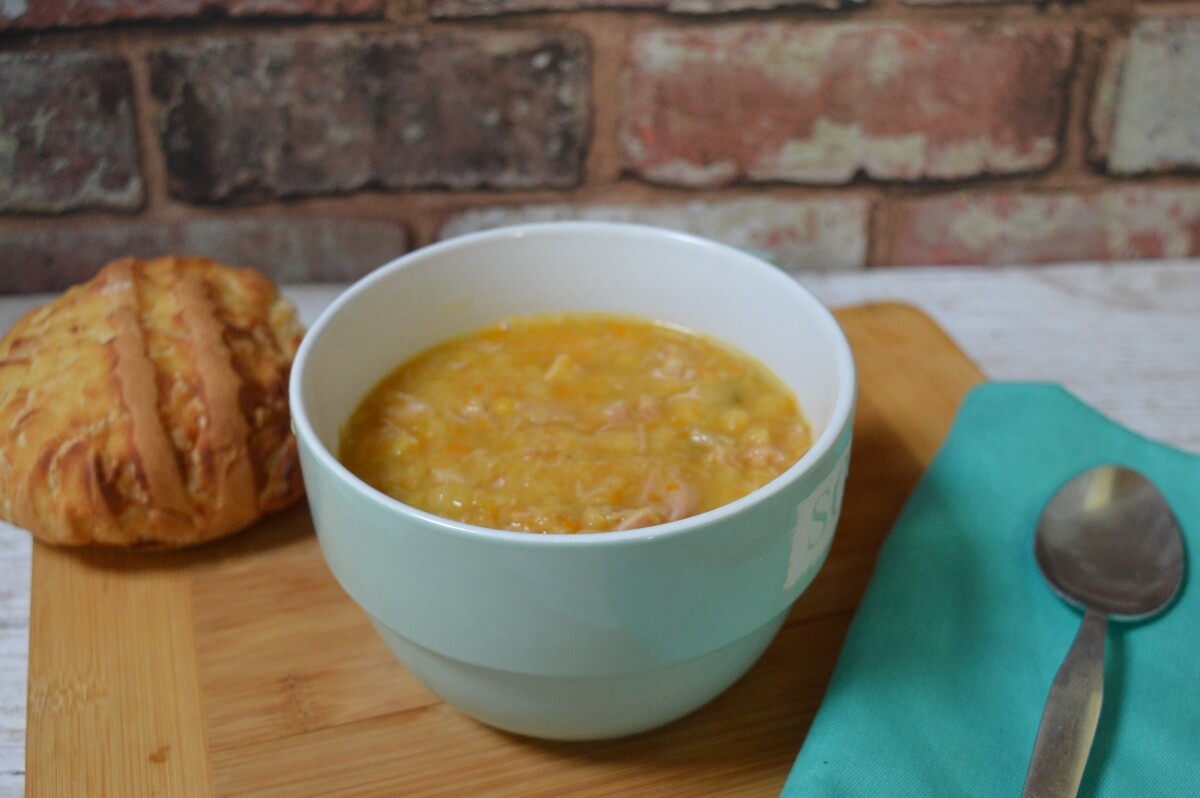
Ham Broth In Brief
Northumberland Ham broth is a traditional Northumberland soup made by slowly simmering ham with split peas, lentils and grated vegetables until thick, hearty and full of flavour.
It’s a comforting one-pot meal that’s especially popular across the North East during the colder months and is often served with crusty bread or slices of traditional stottie.
Why You’ll Love This Recipe
- A traditional North East favourite that’s been enjoyed for generations.
- Perfect for chilly days, with a rich, hearty broth that warms you from the inside out.
- Made with simple, everyday ingredients that are easy to find.
- Ideal for batch cooking, as it tastes even better the next day and freezes well.
- A great way to make the most of a ham joint, using both the meat and the homemade stock.
- Packed with vegetables, lentils and split peas, making it a filling one-pot meal.
The History of Northumberland Ham Broth
Northumberland ham broth is one of those recipes that grew from making the most of simple, everyday ingredients. Across the North East, families relied on hearty meals that were both economical and filling, using every part of a ham joint to avoid waste. The meat was often enjoyed in sandwiches or served with pease pudding, while the rich homemade stock became the foundation of a nourishing broth.
Split peas, lentils and grated root vegetables turned that stock into a satisfying one-pot meal that could feed the whole family. Like many traditional recipes, every household had its own way of making ham broth, with small variations passed down through the generations.
Today, Northumberland ham broth remains a much-loved North East classic. Whether served with crusty bread or slices of traditional stottie, it’s a recipe that celebrates simple ingredients, careful cooking and the tradition of making the most of what you have.
Read more: Traditional recipes from North East England
The end result is a broth so thick you can almost stand your spoon up in it. It makes a perfect filling meal for a cold day, but if you prefer a thinner broth, simply add a little more water until it reaches your preferred consistency.
What is Northumberland Ham Broth?
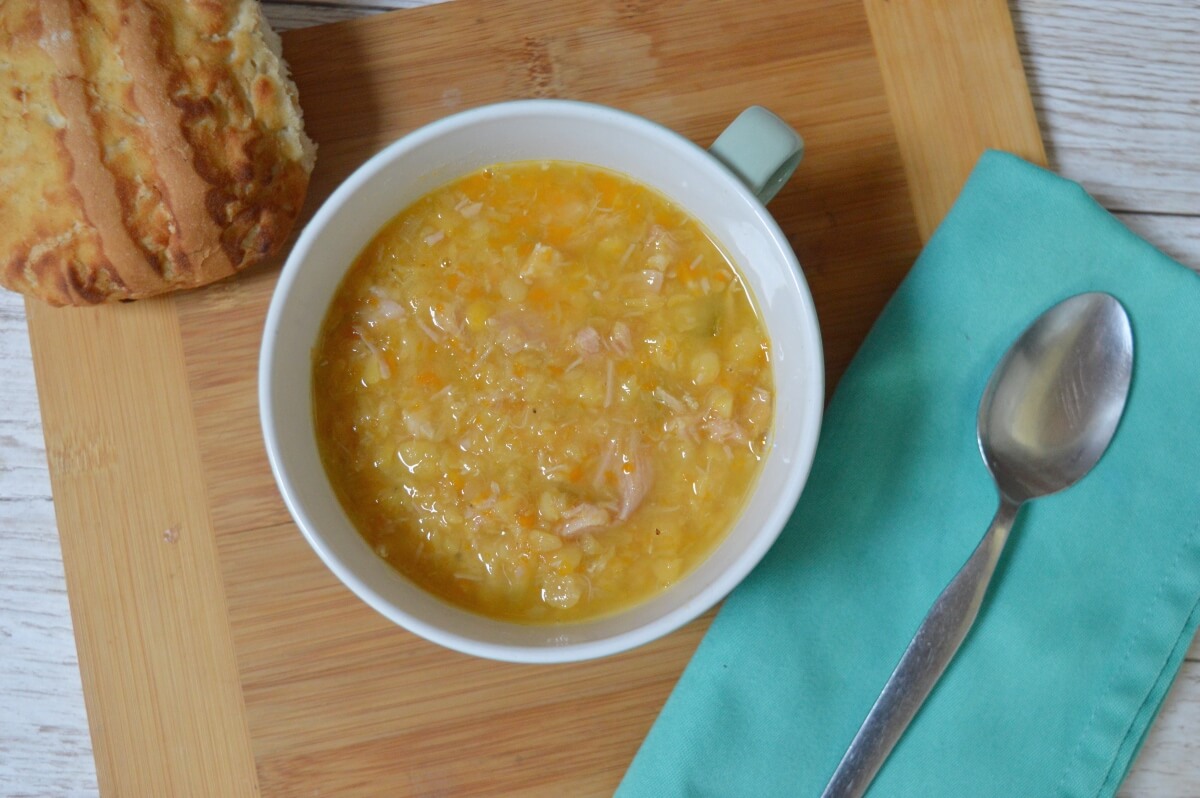
Northumberland ham broth is a traditional North East soup made by simmering a ham joint to create a rich homemade stock before adding split peas, lentils and grated vegetables. The result is a thick, hearty broth that’s filling enough to be a meal on its own.
Although it shares some similarities with Scotch broth, the two recipes are quite different. Scotch broth is usually made with lamb or mutton and often includes pearl barley, while Northumberland ham broth uses ham as its main ingredient and gets its distinctive texture from lentils, split peas and finely grated vegetables.
Like many traditional recipes, there are small variations from family to family. Some cooks add pearl barley, while others prefer a broth thick enough to almost stand a spoon in.
Equipment
You don’t need anything complicated to make Northumberland ham broth, just a few basic kitchen essentials.
- Large stock pot or saucepan – Big enough to hold the ham joint, vegetables and around 3 litres of water.
- Box grater – For grating the carrots, swede and leek.
- Sharp knife and chopping board – To prepare the vegetables and shred the cooked ham.
- Slotted spoon or kitchen tongs – For lifting the cooked ham from the stock safely.
- Wooden spoon – To stir the broth as it simmers.
- Ladle – For serving the finished broth into bowls.
How to Make Northumberland Ham Broth
If you’re ready to start cooking, you can scroll straight down to the printable recipe card. If you’d like a little more background first, here’s how Northumberland ham broth comes together.
Northumberland ham broth begins with a ham shank or gammon joint. Traditionally, the shank would have been cooked on the bone to create a rich, flavourful stock. Today, boneless gammon or ham joints work just as well and are often easier to find.
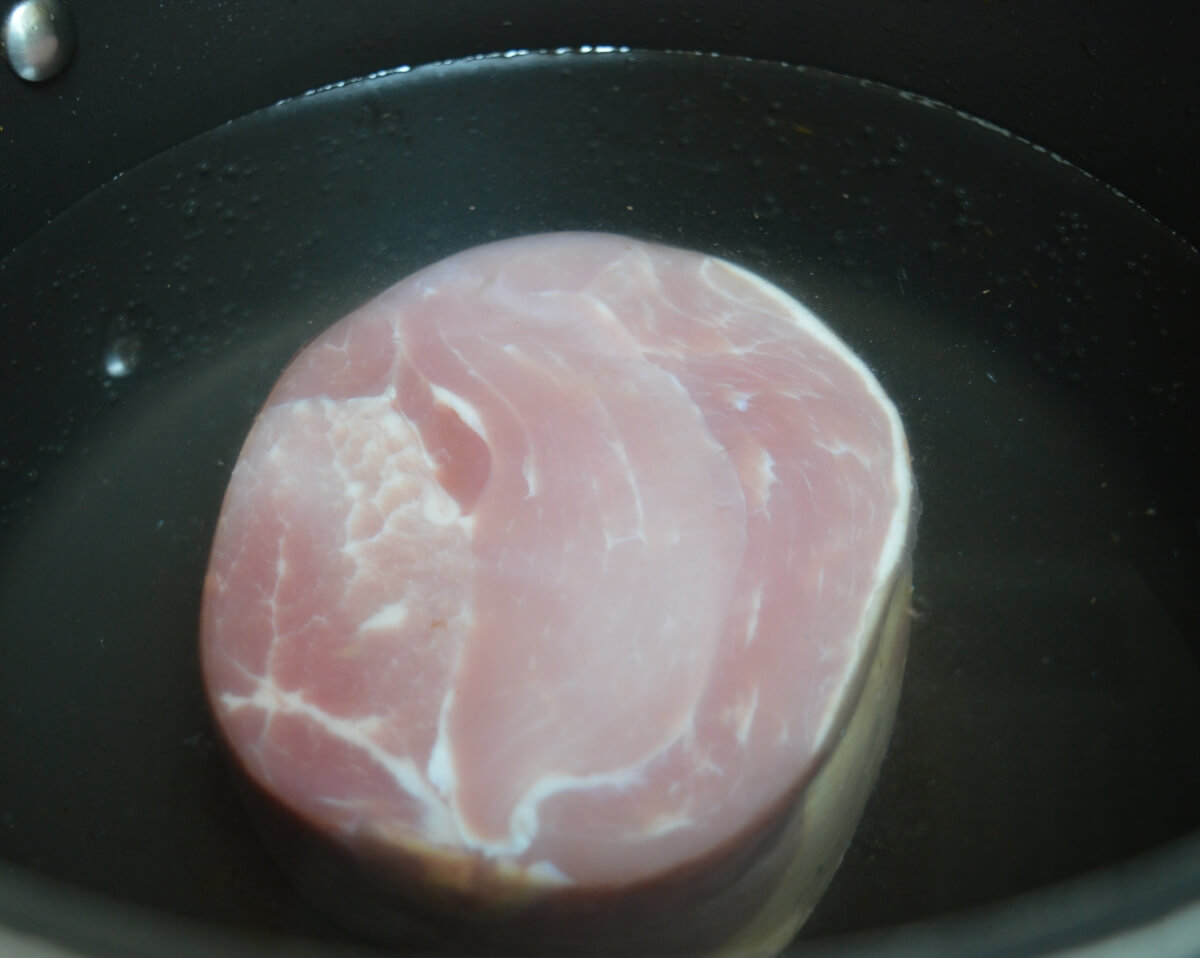
Before you begin, check that any packaging, string or paper has been removed from the ham joint. Some joints are wrapped in cooking paper that can be easy to miss.
Place the ham in a large pan and cover with cold water (around 3 litres for a 1.5 kg joint). Keep an eye on the water level during cooking and top it up with hot water if needed so the ham remains covered.
Bring the water to the boil. As it heats, you may notice a little foam rising to the surface. Simply skim this off with a spoon before reducing the heat to a gentle simmer.
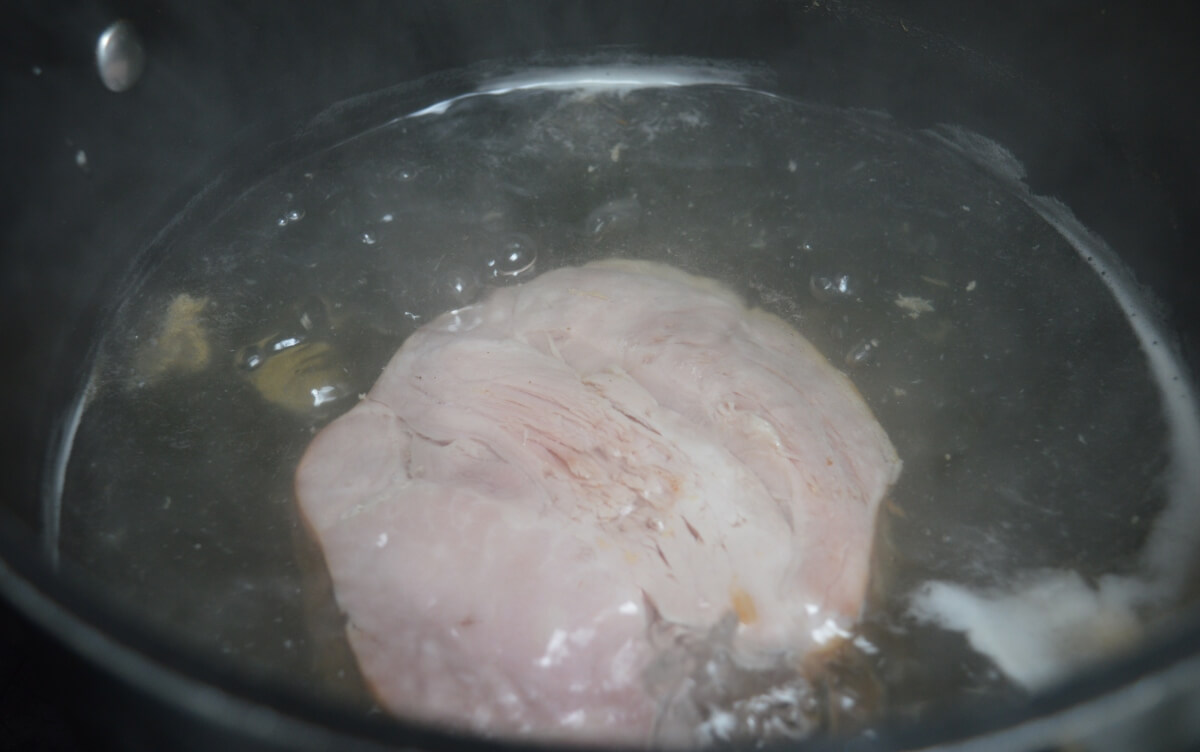
Cook for about 3 hours, or until the meat is tender enough to pull apart. A gentle simmer produces the best stock. Avoid a rolling boil, which can make the broth cloudy and the ham less tender. By this stage, the cooking liquid will have become a rich, flavourful ham stock. If you’re unsure whether your ham needs soaking before cooking, see the FAQ below.
Lift the ham from the pan and shred the meat into bite-sized pieces. Trim away any excess fat from the cooked ham before shredding, leaving as much or as little as you prefer.
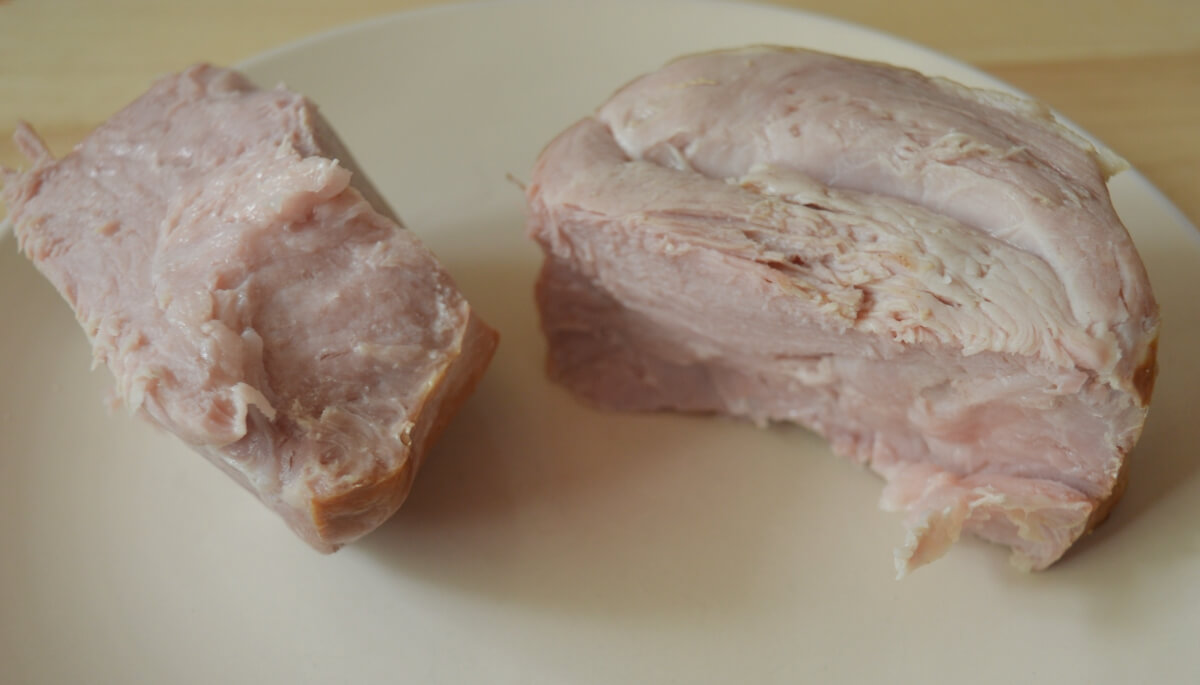
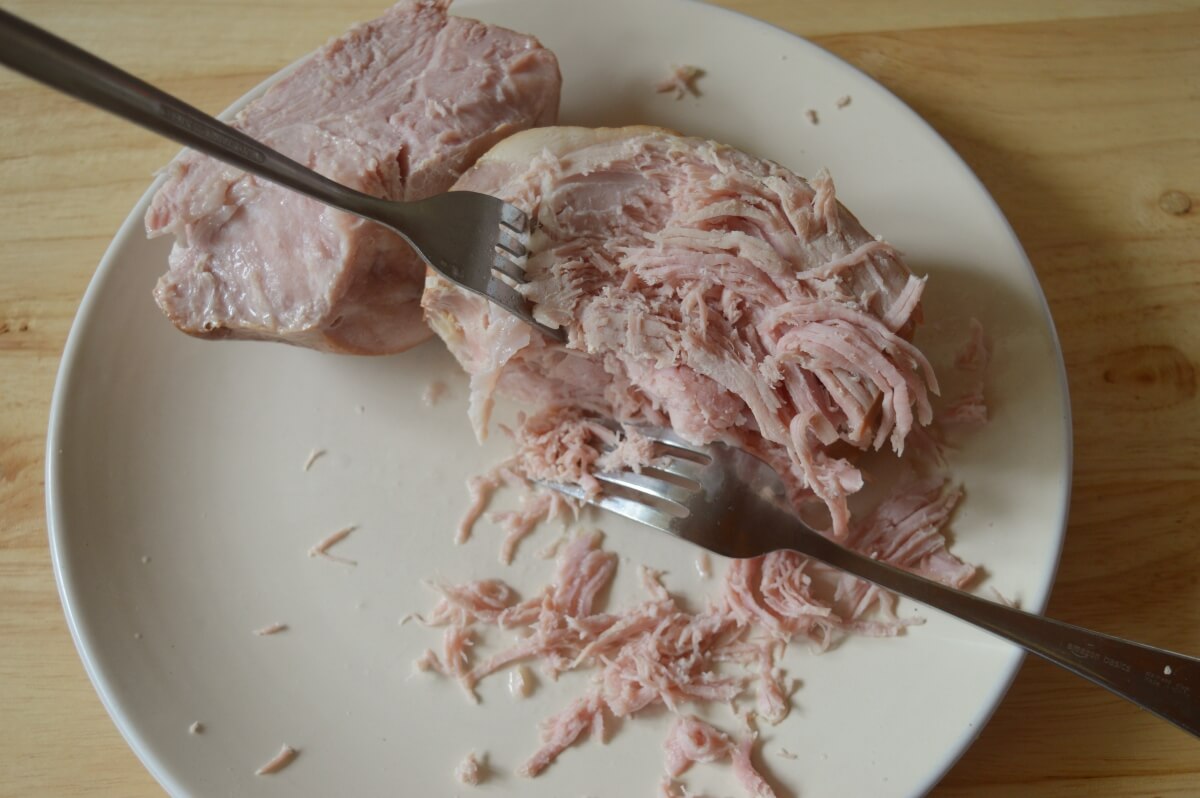
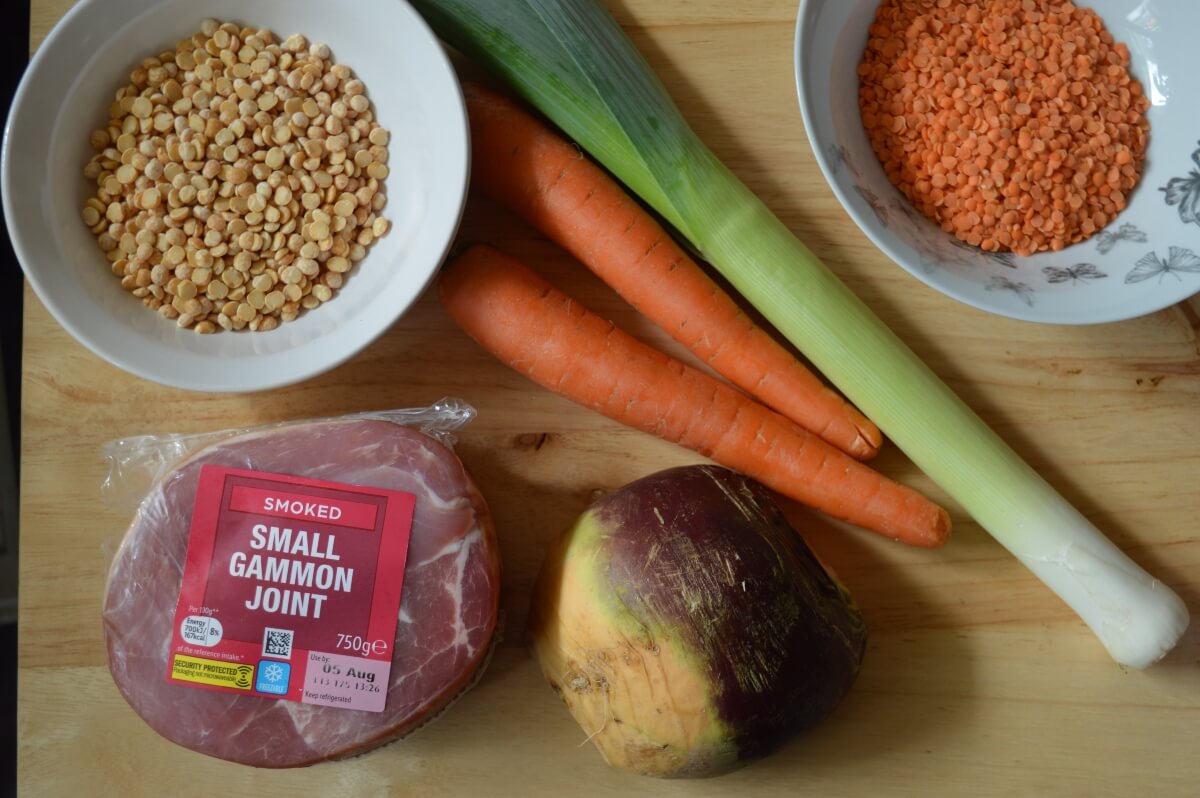
Grate the carrots, swede (called turnip in much of the North East) and leek and add them into the pan.
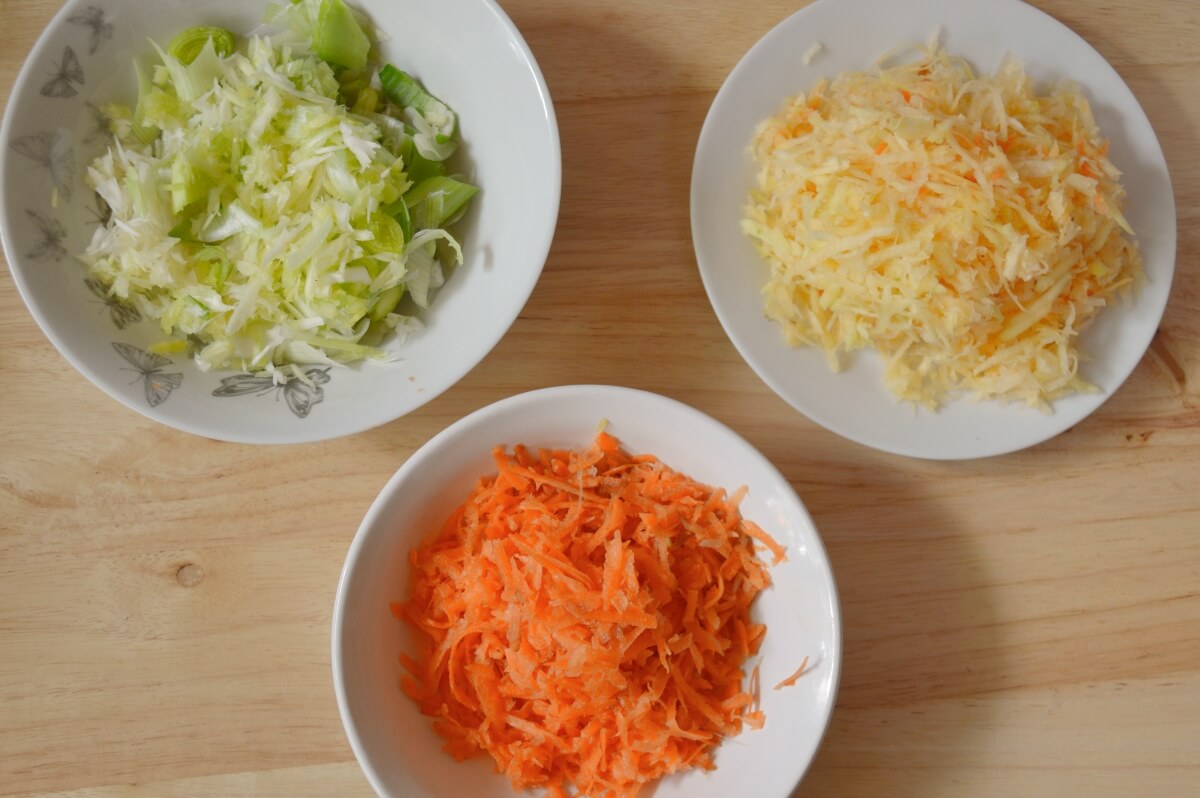
Return the shredded ham to the stock, then stir in the red lentils and yellow split peas..
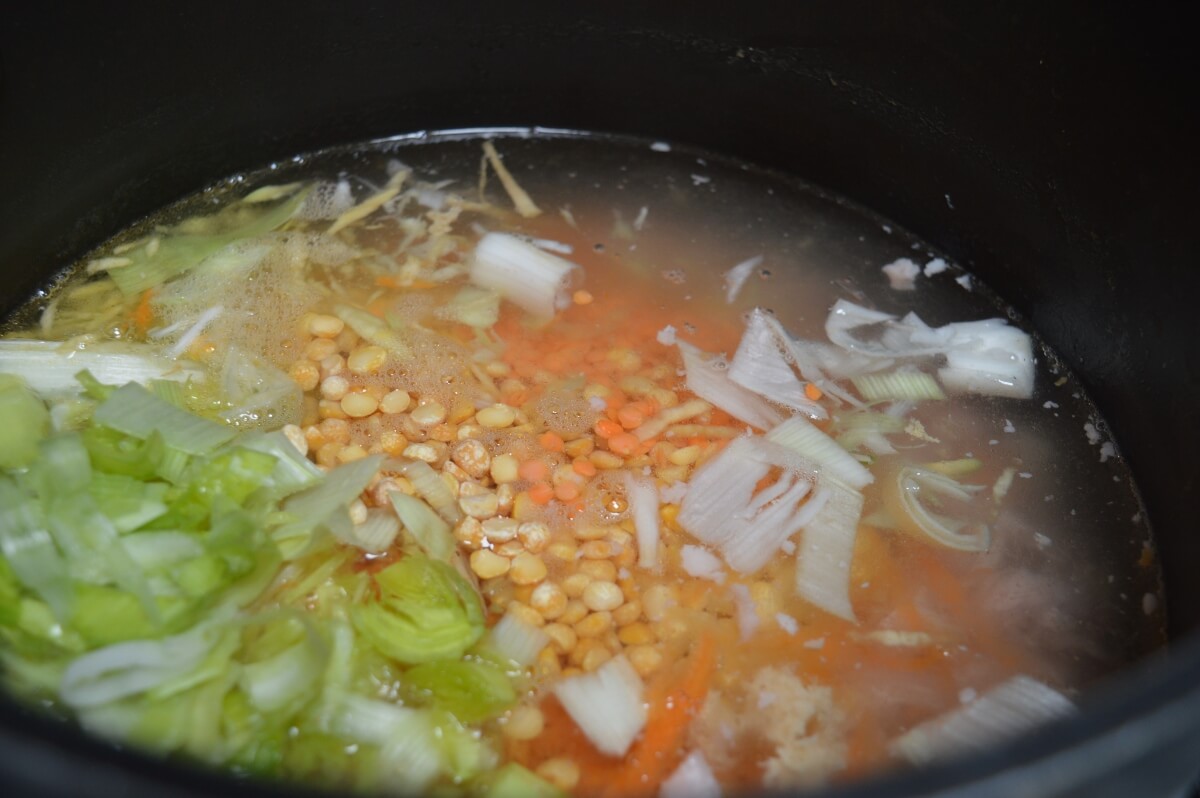
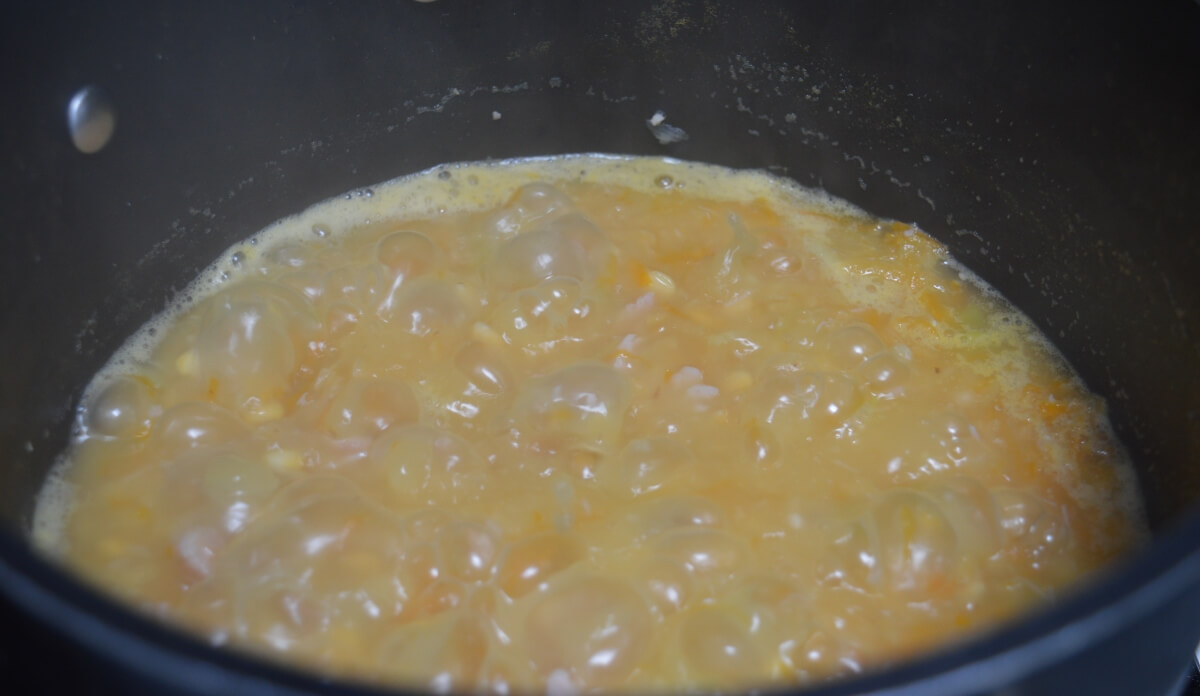
Simmer gently for 1 to 1½ hours, or until the split peas are completely soft. The broth should be thick but still spoonable. Stir occasionally and add a little extra water if it becomes too thick while cooking.
Heritage Kitchen Tip: Leeks can be tricky to grate. If the last layers won’t go through the grater, simply snip them into small pieces with kitchen scissors before adding them to the broth.
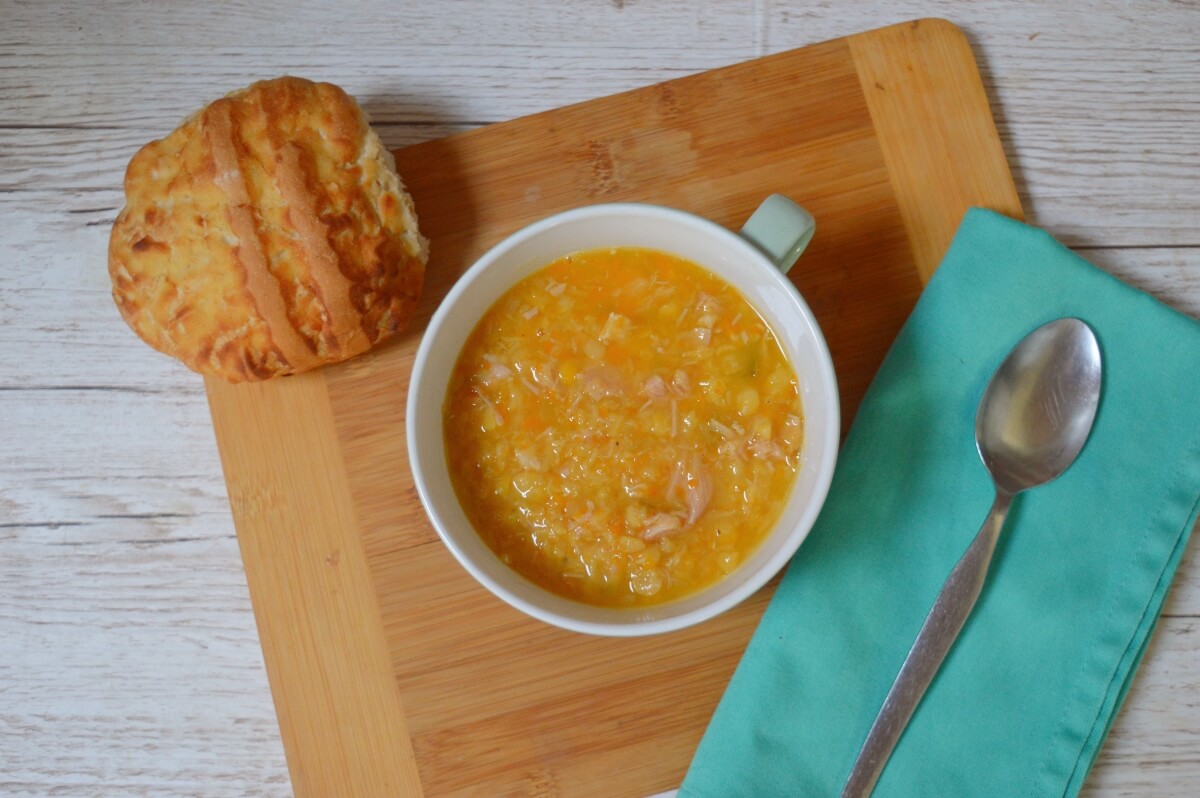
Serve your Northumberland ham broth piping hot with crusty bread or slices of traditional stottie for a hearty, comforting meal.
Top Tip: Cook a larger ham joint than you need and use the leftover meat for sandwiches, pease pudding stotties or a marmalade-glazed ham the next day.
Read more: Marmalade glazed ham
Northumberland Ham Broth Recipe
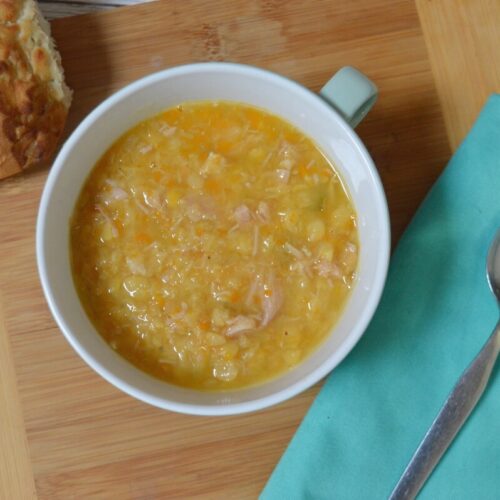
Northumberland Ham Broth
Equipment
- 1 Large pan or stockpot
- 1 Grater
- 1 Sharp knife
- 1 Chopping board
- 1 Slotted Spoon (or tongs)
- 1 Ladle
Ingredients
- 1.5 kg ham joint
- 200 g red lentils
- 200 g split yellow peas
- 5 carrots
- ½ swede (turnip)
- 1 leek
Instructions
- If your ham joint needs soaking, soak it overnight before cooking. See the FAQ for advice on checking whether soaking is necessary.
- Remove any packaging, string or cooking paper from the ham joint. Place it in a large pan or stockpot and cover with about 3 litres of cold water.
- Bring to the boil, skim off any foam that rises to the surface, then reduce to a gentle simmer. Cook for about 3 hours, topping up with hot water if needed to keep the ham covered.
- Lift the ham from the stock. Trim away any excess fat if you wish, shred the meat into bite-sized pieces and return it to the pan.
- Peel and grate the swede (turnip) and carrots. Grate or finely chop the leek, then add the vegetables to the pan with the red lentils and yellow split peas.
- Return the broth to a gentle simmer and cook for 1 to 1½ hours, stirring occasionally and adding a little extra water if needed, until the split peas are soft and the broth is thick but still spoonable.
Notes
- Serve with crusty bread or slices of traditional stottie.
- Ham broth thickens as it cools. Add a splash of water when reheating if you prefer a thinner consistency.
- Kitchen Tip: If the last layers of the leek are difficult to grate, simply snip them into small pieces with kitchen scissors.
- Tip: Cook a larger ham joint and use the leftovers for sandwiches, pease pudding stotties or a marmalade-glazed ham.
Variations
Use leftover ham
If you’ve already cooked a ham joint, don’t let the stock go to waste. Use the leftover ham and homemade stock to make a quick version of Northumberland ham broth.
Add pearl barley
Some families like to add pearl barley for extra texture. Reduce the lentils slightly if you prefer a lighter broth.
Make it thicker or thinner
For a traditional hearty broth, allow it to simmer until thick. If you prefer a lighter soup, simply stir in a little extra water or stock before serving.
Add extra vegetables
Parsnips, celery or potatoes can all be added, although the traditional version keeps things simple with carrots, swede and leek.
Serving Suggestions
Northumberland ham broth is a meal in itself, but a few simple accompaniments make it even more satisfying.
- Traditional stottie is perfect for soaking up the rich broth.
- Crusty bread or a warm bread roll make a simple and comforting accompaniment.
- Freshly ground black pepper adds a little extra warmth just before serving.
- Pickled beetroot or pickled onions provide a sharp contrast to the rich, savoury flavours.
- A slice of buttered bread is all many North East families would have needed alongside a bowl of broth.
If you’ve cooked a larger ham joint, serve slices of the leftover ham with pease pudding and a stottie the following day to make the most of your ingredients.
Frequently Asked Questions
Yes. For the best flavour, cook the ham first to make the stock, then transfer the shredded ham, stock, vegetables, lentils and split peas to the slow cooker. Cook on Low for 5 to 6 hours, or until the vegetables are tender and the broth has thickened.
Ham broth will keep in the fridge for up to 3 days in an airtight container. It often tastes even better the next day as the flavours continue to develop.
Yes. Allow the broth to cool completely before freezing, then divide it into portions so you only need to defrost what you need. Reheat gently, adding a splash of water if the broth has thickened.
Check the packet instructions first. Most modern ham or gammon joints sold in the UK have a mild cure and don’t need soaking. If you’re unsure, cook a small piece and taste it. If it seems very salty, soak the whole joint overnight before cooking.
Grating the vegetables helps them soften quickly and gives Northumberland ham broth its traditional thick, hearty texture. As they cook, they almost melt into the broth.
Yes. Leftover cooked ham works well if you also have homemade ham stock. It’s a great way to make a quicker version of the recipe while making the most of leftovers.
Northumberland ham broth is a wonderful way to make the most of a ham joint. Save any leftover ham and freeze the homemade stock, and you’ll have everything you need to make another comforting pot of broth whenever the weather turns chilly.
Have you made Northumberland ham broth before, or is it a recipe that’s been passed down through your family? I’d love to hear your memories, tips or family variations in the comments below.
Why not pin the recipe for later?

You might also enjoy



My fella used to make this all of the time but we’ve not had it in ages. I think I will have to get nagging and get him in the kitchen. hehehe
Yours sounds delicious x
Thank you. It has become a family favourite now, do simple to make
I’ve never tried Northumberland broth, but it sounds tasty. Perfect comfort food for winter.
It is the perfect soup for a cold winter day, really filling and tasty
This is what my mam made and finding the recipe give to my daughter is great when I tell people what I make they have never had it and call it a casserole but thank god I’m not made it Northumberland broth will be making it this week I chop my veg not grate but will try it grated
It works just as well if you chop the veg, grated just makes it a little thicker and less chunky
Do you simmer covered or uncovered? I’m worried uncovered will lead to the water dropping leaving the ham exposed.
I usually simmer uncovered, mainly because my big pan does not have a lid! If the water goes down I add a little bit more water.
Simmering covered should keep the water level consistent.
Gateshead raised Birmingham now, Used this time honoured recipe on the Turkey leftovers, same as for ham. Just add three Chopped onions, three chicken stock cubes, dollop of Bovril dollop of Marmite, shake of Worcester Sauce. Job done. Want a lovely bit of Northern foodie history?? Check out Carlin Peas. Fascinating. Back in the day every pub on Tyneside would supply free on Carlin Sunday
Glad it worked nicely for you. Carlin peas – interesting, I had never heard of these. Will have to investigate!
My Grandad was true Northumbrian, he insisted upon them on Carlin Sunday. My Mam cooked them for him. Neverntried them but personally I think they look like rabbit droppings. Hope I’m allowed to say that.
Of course! I agree, good job they taste like peas!
You say ‘if the joint is salty’ but how do you tell if it is too salty before you cook it?
Thanks for the recipe, close to my mother’s but she included potato cut into small cubes. It can easily be customised with your own preferences.
Usually in the UK most gammon joints do not need presoaking as they are mildly cured, rather than covered in salt. The easiest way is to take a little tiny piece off and let it simmer for a few minutes in water until it’s cooked and then taste it. If it’s too salty let the joint soak for a while.
Potato is a good addition. You can easily add anything else you fancy, it’s a great soup for using up leftover vegetables.
This is not a recommendation but a recollection of how my mother did it, wiped her finger over it then tasted it.
my mum always made broth and the whole family still do but we put potato in ours and consider this to be Norhumbrian as we all live in south Northumberland
It’s one of those recipes that has different ingredients depending on what is at hand and family tradition. Potato would work really well.
Absolutely delicious! The perfect winter warmer and low calories too. Win-win!
So glad that you loved it
Great recipe, works a treat, filling and delicious, costs next to nowt and feeds the five thousand, well 5 a thousand times! in two days.
So glad you enjoyed it!
Best broth you can get, love your website
My mam used to make a broth and would talk about “a bone for the broth” she died many years ago now but I remember it being the tastiest soup that I ever had. I have never been back to Northumberland since I was 16 and never knew how it was made. So I will give it a try later in the week.
made in the slow cooker added suet dumplings as mum used to make
Dumplings sound lovely, will have to add them in next time
Hello,
I have never made it before and I am 72 years old. But, I originate from the north, north East and I remember my mother made it when my siblings and I were young. I remember how I loved it and her asking the butcher for a big bone for the broth. I left home at 16 without ever knowing how it was made. I will be making it on saturday if not tomorrow. My mother would serve it with stotty cake. Delicious.
Bones for the broth don’t seem to be a thing now. I hope you enjoyed the broth when you made it.