
Things To Do In Newcastle Upon Tyne
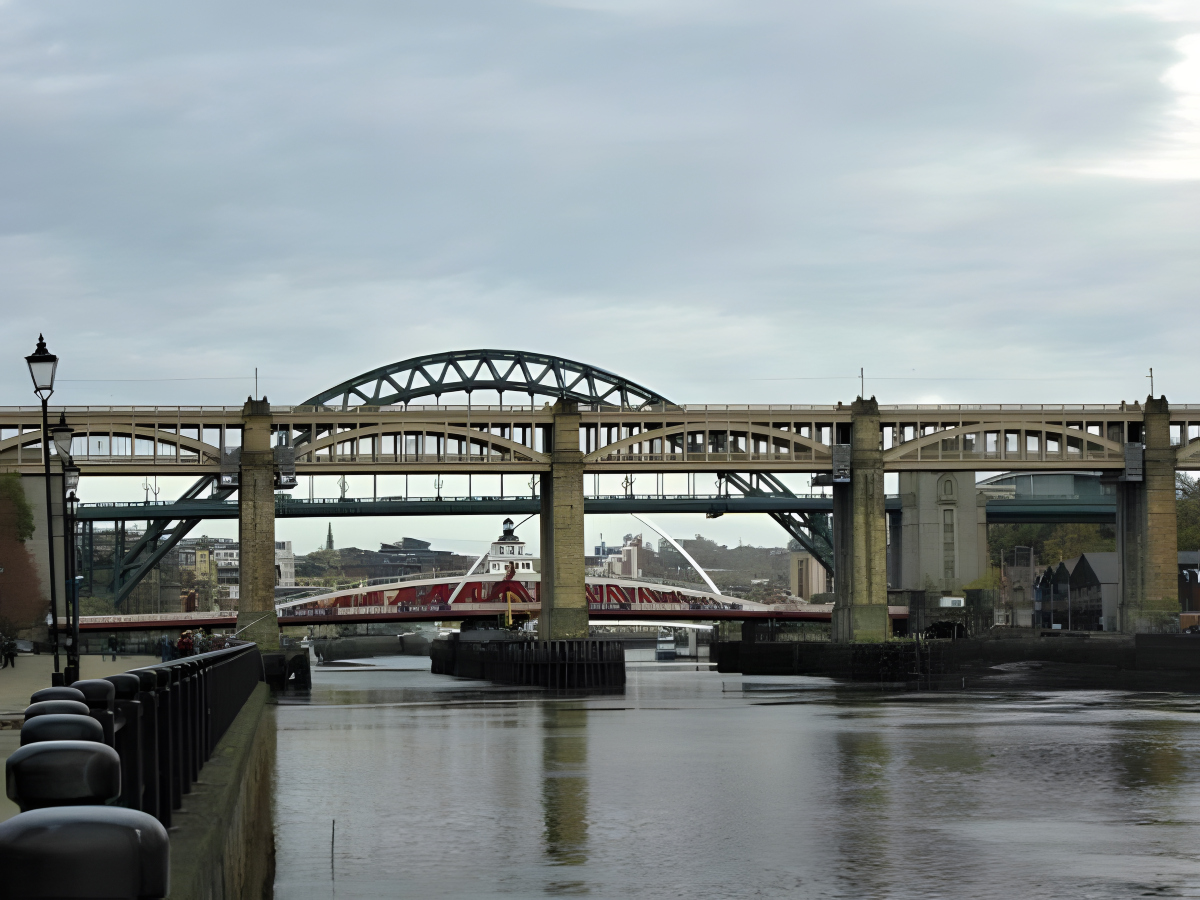
When people think about Newcastle, they often think of the bridges first. The Tyne Bridge, the Millennium Bridge and the river running through the heart of the city are hard to miss. But some of my favourite parts of Newcastle are found a little further away from the postcard views.
You can spend a morning exploring a museum, wander through streets that still follow the line of the medieval town, or sit in a park watching the world go by. Cattle still graze on the Town Moor a short walk from the city centre. The Lit & Phil offers a quiet escape behind an unassuming doorway. Even after living here for years, I still find new details I hadn’t noticed before.
I came to Newcastle as a student expecting to stay for a few years. Instead, it became home. Over time, favourite walks, buildings, cafés and museums became part of everyday life, and this guide brings together some of the places I return to again and again.
Why Visit Newcastle?
Newcastle is easy to explore on foot and manages to fit a surprising amount into a relatively compact city centre. Whether you enjoy history, museums, green spaces, architecture or simply wandering somewhere new, there is plenty to discover.
Some of the best things to do in Newcastle include:
- Walking along the Quayside and viewing the famous bridges
- Exploring Newcastle Castle and Newcastle Cathedral
- Visiting the Lit & Phil and the Common Room
- Discovering the Discovery Museum and Great North Museum: Hancock
- Walking through Leazes Park, Exhibition Park and the Town Moor
- Exploring Jesmond Dene
- Following Newcastle’s history through its castle, city walls and historic streets
A Historic Walk Through Newcastle
One of my favourite things about Newcastle is how easy it is to step from the modern city into the past. Starting at the Quayside, you can walk to the castle that gave Newcastle its name, follow the remains of the medieval city walls and discover historic buildings that tell the story of the people who lived and worked here.
Many of these sites are only a few minutes apart, making this one of the most rewarding walks in the city.
The Quayside
If you’re visiting Newcastle for the first time, the Quayside is a good place to begin.
The River Tyne has shaped the city for centuries, and many of Newcastle’s most recognisable landmarks can be found along its banks. Walking along the waterfront gives you a chance to see the famous bridges up close, from the sweeping arch of the Tyne Bridge to the distinctive curve of the Millennium Bridge.
One of the more unusual sights is watching the Millennium Bridge tilt. Rather than lifting in the traditional way, the bridge slowly pivots to allow taller vessels to pass beneath it. Tilts take place throughout the year and are announced in advance, so it’s worth checking the official Gateshead Millennium Bridge tilt schedule before your visit.
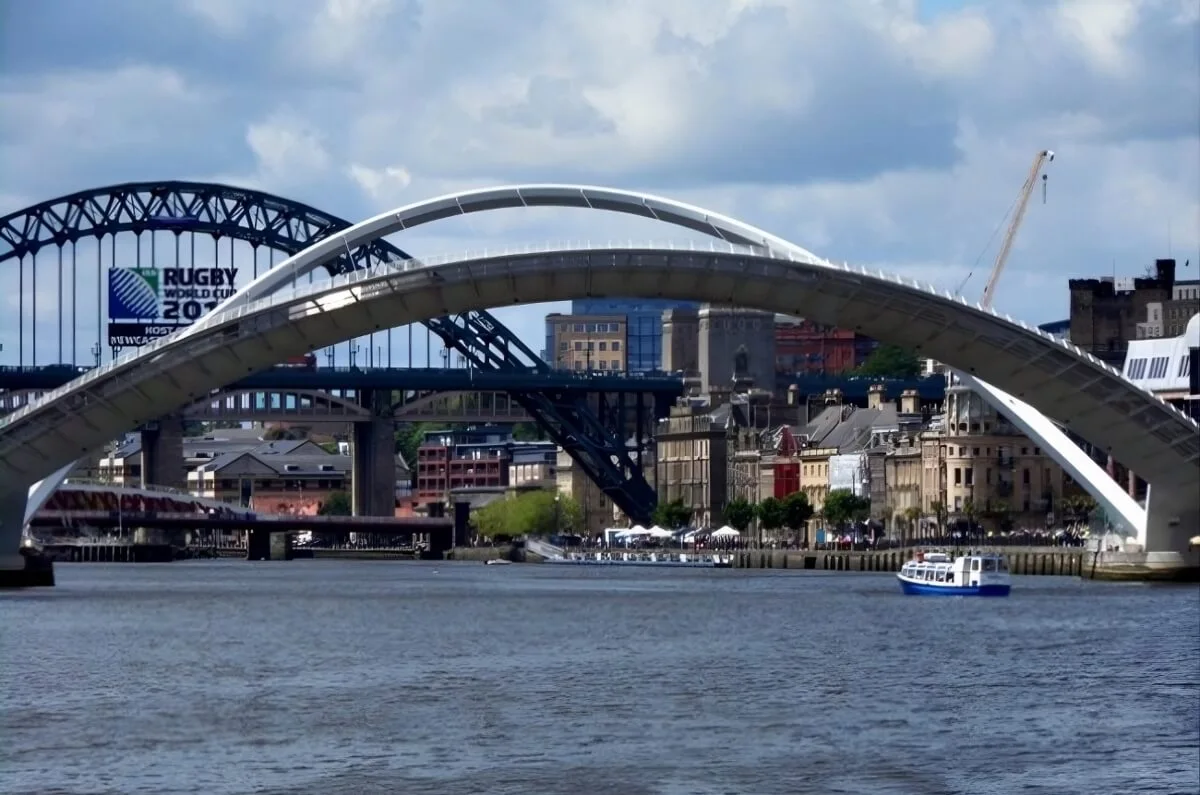
Crossing the Millennium Bridge also leads to one of my favourite views of the city. The viewing level at the Baltic offers a wonderful perspective across the river towards Newcastle’s skyline and bridges.
Alongside the newer bridges you’ll also spot the Victorian Swing Bridge. Opened in 1876, it once carried both road traffic and ships through the busy river. Although it is currently awaiting restoration, it remains an important reminder of Newcastle’s industrial past.
Visit the Sunday Quayside Market
The Quayside feels different on a Sunday.
I remember when the market stretched much further along the river than it does today. Traders sold everything from towels and household goods to plants and food, calling out offers as people wandered past. It was the sort of place where you could arrive looking for one thing and leave with something completely different.
These days the market feels smaller and more focused on local food producers, crafts and independent businesses, but it still brings plenty of life to the river. It’s a good place to browse, pick up something to eat and spend an hour watching Newcastle go by.
Whether you visit on a busy Sunday morning or a quieter weekday, the Quayside remains one of the best places to get a feel for the city.
Newcastle Castle and Black Gate
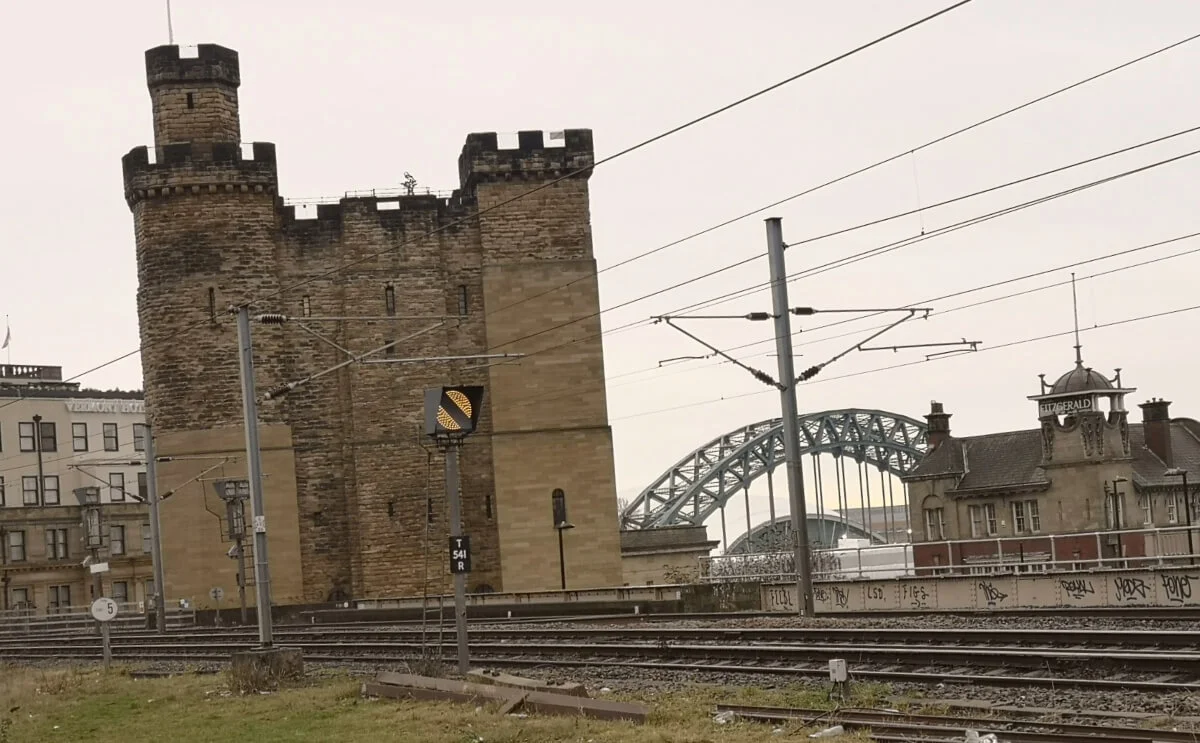
A short walk uphill from the Quayside brings you to the building that gave Newcastle its name.
Newcastle Castle stands on a steep hill above the River Tyne, a position that has been important for nearly two thousand years. Before the castle, the site was home to a Roman fort guarding the river crossing. The outlines of some of the Roman buildings can still be seen in the cobbles nearby.
Today the castle is made up of the Castle Keep and the Black Gate, which once formed part of the castle’s defences. Together they offer a glimpse into Newcastle’s medieval past and the strategic importance of the river below.
Even if you don’t go inside, it is worth stopping here as part of a walk through the city centre. The castle sits close to the Cathedral and the surviving fragments of the city walls, making it easy to imagine how Newcastle once looked when it was a much smaller fortified town.
If you go inside, save a little energy for the climb to the roof. The views across the city, the river and Newcastle’s bridges are some of the best in Newcastle. Looking down from the roof, you can see old and new Newcastle side by side, from medieval stonework to railway lines and modern buildings.
I’ve written more about visiting Newcastle Castle and some of the stories connected with it if you’d like to explore further.
Newcastle’s Medieval City Walls
Some of Newcastle’s history is hidden in plain sight.
For centuries the city was protected by stone walls that enclosed the medieval town. Although much of the wall has disappeared, sections still survive around the city centre if you know where to look.
One of the things I enjoy about Newcastle is stumbling across these fragments unexpectedly. You can be walking between shops, offices and busy streets and suddenly find yourself standing beside a piece of masonry that has been there for hundreds of years.
The walls remind us that Newcastle was once a much smaller place. Today the city stretches far beyond its medieval boundaries, but these surviving sections offer a glimpse into what life might have been like when people lived and worked within the protection of the town walls.
As you walk between Newcastle Castle, the Cathedral and the city centre, keep an eye out for the surviving fragments. They are easy to miss, but once you start noticing them, you begin to see the city a little differently.
Newcastle Cathedral
Just a short walk from the Castle, Newcastle Cathedral is one of the oldest buildings in the city and one of the easiest to overlook.
From the outside, the Cathedral’s lantern tower has been a Newcastle landmark for centuries. Before modern navigation, it helped guide ships safely along the River Tyne below. The Cathedral is dedicated to St Nicholas, the patron saint of sailors, making its connection to the river even more fitting.
Step inside and the atmosphere changes immediately. Despite being in the heart of a busy city, the Cathedral feels peaceful and calm. Sunlight filters through stained glass windows, stone pillars rise towards the ceiling and the noise of the city seems to fade away.
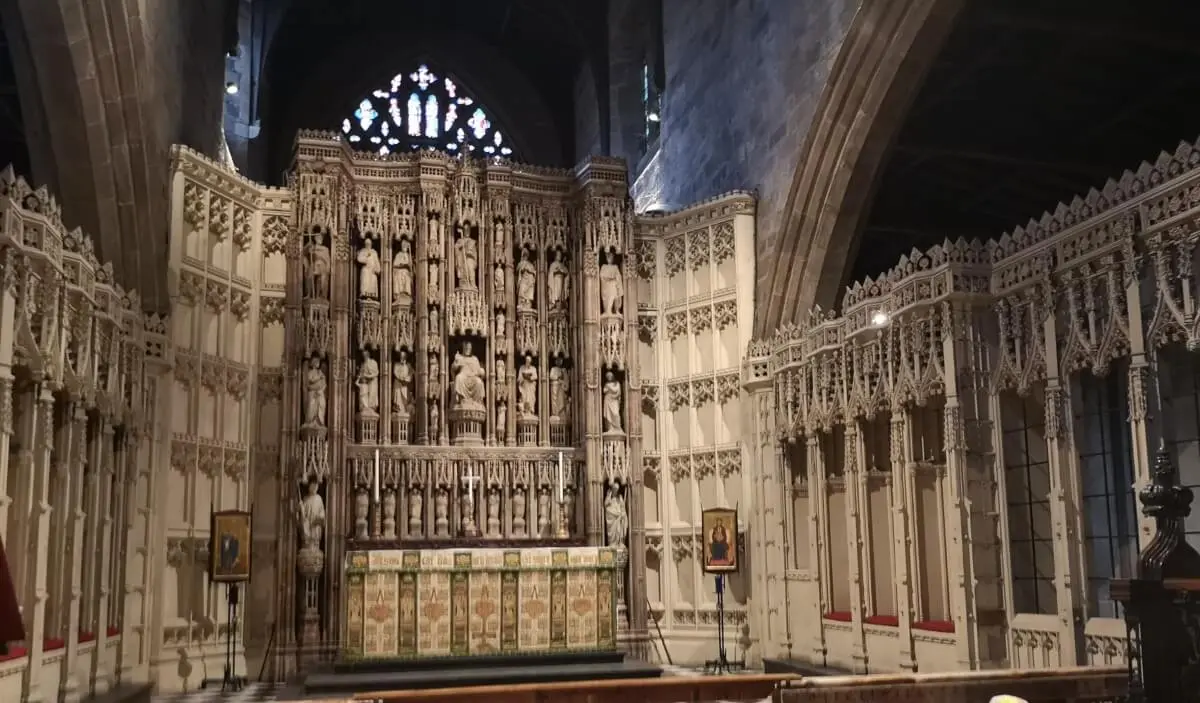
I visited during Heritage Open Days and was surprised by how much there was to discover. Memorials tell stories of Newcastle’s past, stained glass windows tell stories of worship, trade, seafaring and the people remembered here. Reminders of the city’s maritime and industrial heritage can be found throughout the building.
Even a few quiet minutes inside gives you a different feel for the city. Newcastle Cathedral offers a chance to slow down and connect with centuries of the city’s history.
Read more about my visit to Newcastle cathedral.
The Lit & Phil
Just around the corner from Newcastle Castle is one of Newcastle’s hidden treasures.
The Lit & Phil, short for the Literary and Philosophical Society, is easy to walk past without realising what is inside. Behind the doors is the largest independent library outside London, with shelves lined with books, quiet reading rooms and a sense of stepping back into another age.
Founded in 1793, the Lit & Phil became a meeting place for many of the great thinkers, inventors and industrial pioneers who helped shape the North East. Names such as George Stephenson, Joseph Swan, Charles Parsons and Lord Armstrong all have connections to the society.
What I love most about the Lit & Phil is the atmosphere. Light filters through the skylights onto the books below, readers sit quietly at tables and the noise of the city seems to disappear. It feels like the sort of place where ideas have been exchanged for generations.
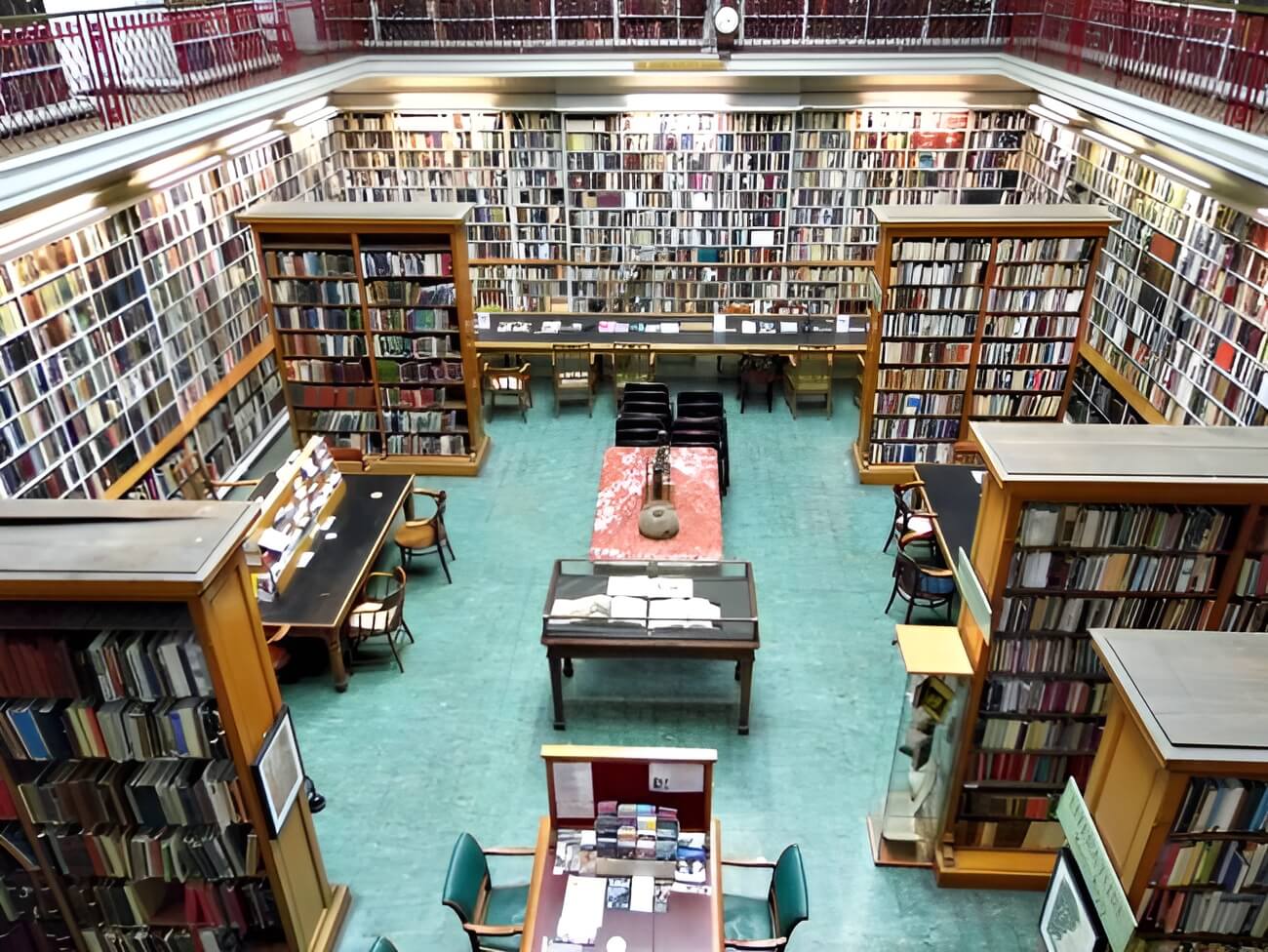
Visitors are welcome to look around, attend events or simply spend a few minutes exploring. If you enjoy books, history or hidden corners, push open the door and have a look around.
I’ve written more about visiting the Lit & Phil and some of the fascinating stories connected with the building if you’d like to explore further.
Common Room
The Common Room is one of those Newcastle buildings that I walked past for years without ever going inside.
Located close to Central Station, the building was originally home to the North of England Institute of Mining and Mechanical Engineers. Today it celebrates the engineering, innovation and industrial heritage that helped shape the North East.
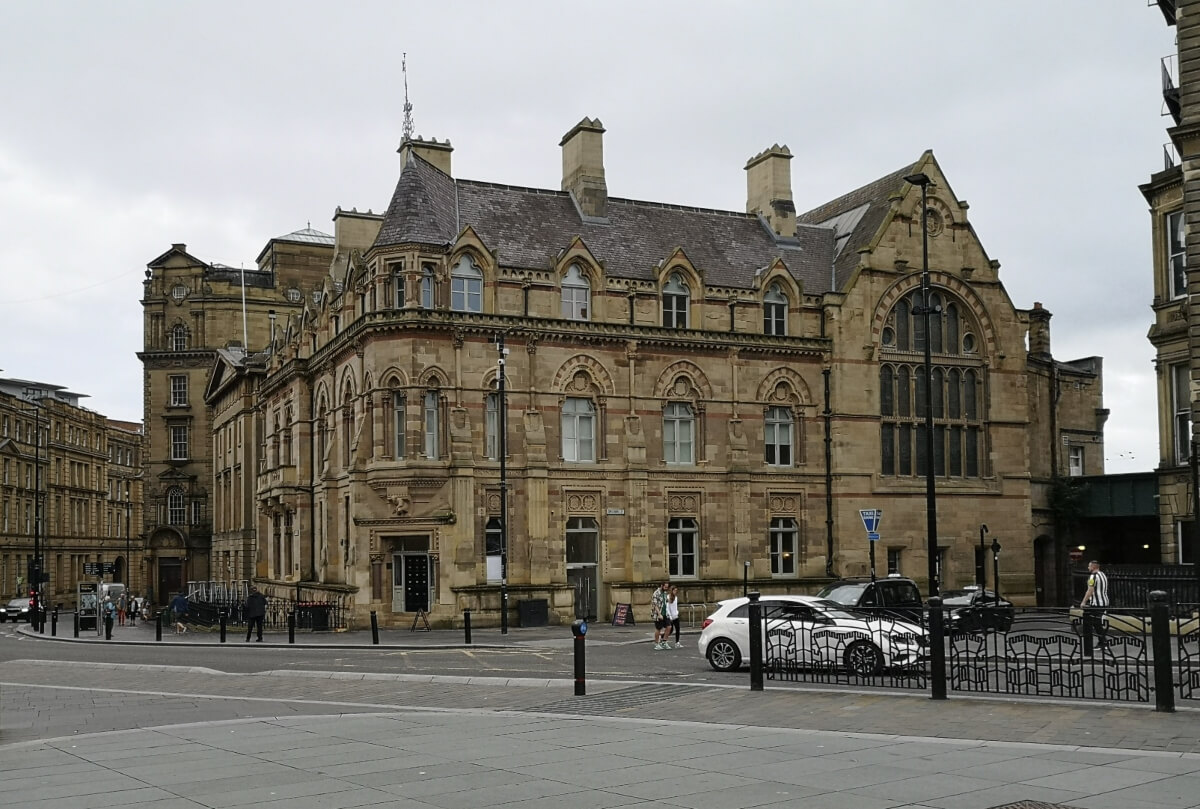
I first visited during Heritage Open Days and remember following a tour through a doorway marked “Members Only”. Stepping into the Victorian library felt like discovering a hidden part of Newcastle. The room is filled with books, artwork and sculptures, while the ornate glass roof floods the space with light.
One of the most impressive parts of the building is the Edwardian lecture theatre. Modelled on the famous lecture theatre at the Royal Institution in London, it immediately reminded me of watching the Royal Institution Christmas Lectures on television as a child. Seeing a similar space in Newcastle felt like finding a connection between those childhood memories and the city’s industrial past.
The Common Room also houses collections relating to mining, engineering and geology, helping tell the story of an industry that shaped communities across the North East for generations.
Today the Common Room combines its historic interiors with exhibitions, events and a café. It’s one of those places where you can stop for a coffee while surrounded by the stories of the engineers, inventors and industrial pioneers who helped shape the North East.
If you’ve never visited before, step through the doors and give yourself time to wander. The library alone is worth the visit.
I’ve written more about visiting the building and its history if you’d like to discover more.
Museums, Galleries and Places of Discovery
In Newcastle, something interesting is rarely far away. Within a relatively small area of the city centre you’ll find museums, galleries and collections covering everything from Roman history and natural science to engineering, architecture and modern art.
Some tell the story of Newcastle’s industrial past, while others explore the natural world, ancient civilisations or contemporary culture. Several are free to visit and many host changing exhibitions and events throughout the year, making them worth returning to again and again.
Whether you’re interested in Hadrian’s Wall, dinosaurs, engineering, architecture or art, there is plenty to discover.
Discovery Museum
If you want to understand how Newcastle became the city it is today, start at the Discovery Museum.
Located in the city centre, this free museum tells the story of Tyneside from Roman times to the present day. It’s a place where engineering, industry and everyday life come together, helping visitors understand how the region changed over the centuries.
One of the first things you’ll notice is Turbinia, the revolutionary steam-powered vessel that was once the fastest ship in the world. Its story is a reminder of the innovation and engineering expertise that helped shape the North East.
What I enjoy most, however, is the Newcastle Story exhibition. One moment you’re looking at Roman artefacts. The next you’re standing beside a recreated 1940s sitting room with its wireless set and familiar household objects. It’s the sort of display that sparks memories and conversations about how people once lived.
I’ve visited many times over the years, including school trips when I was teaching. The science galleries were always a favourite with the pupils, who would race from one interactive exhibit to the next. The air hockey table was particularly popular and usually surrounded by enthusiastic competitors.
The Discovery Museum does a wonderful job of connecting Newcastle’s big industrial achievements with the lives of ordinary people. If you’d like to understand the city’s history beyond the landmarks, it’s one of the best places to begin.
Great North Museum: Hancock
The Great North Museum: Hancock is one of those places that feels like an old friend.
I’ve been visiting for years and it brings back memories of trips with my son when he was growing up. One of my strongest memories is taking him to a dinosaur exhibition when he was small. He was fascinated by the dinosaurs until the Tyrannosaurus Rex moved. Suddenly it felt a little too real and keeping a safe distance seemed like a very sensible plan.
On another visit he spent ages running across the interactive floor in the Egyptian gallery, dancing his way through the journey to the afterlife while younger visitors squealed at the snakes that appeared beneath their feet.
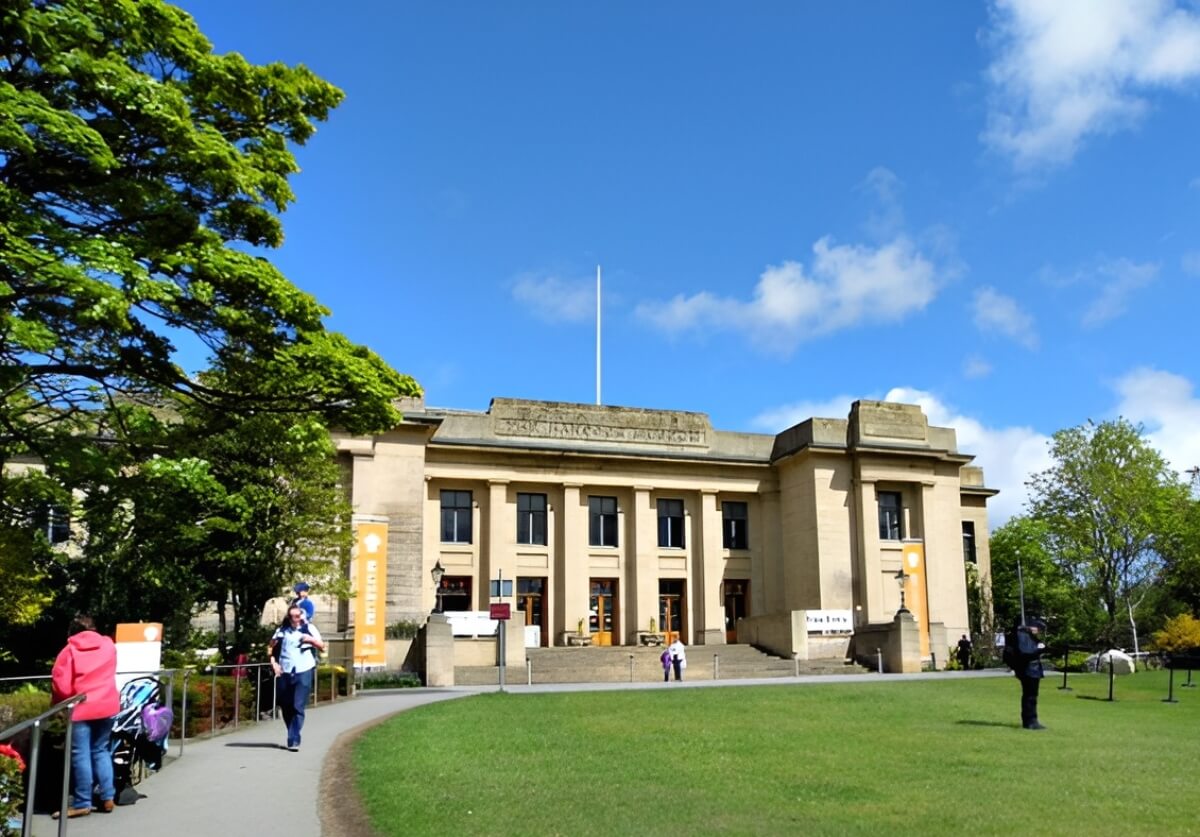
Housed in an impressive nineteenth-century building near Newcastle University, the museum brings together natural history, archaeology and world cultures under one roof. It’s the sort of place where you can start by looking at Roman artefacts, wander past a dinosaur skeleton and end up exploring Ancient Egypt a few minutes later.
One of my favourite exhibits is the scale model of Hadrian’s Wall. Seeing the wall laid out in miniature really helps you appreciate the scale of the Roman frontier and the effort involved in building it. It also makes a good introduction if you’re planning to visit Segedunum or other Roman sites in the North East.
We always seem to discover something new each time we visit. Whether it’s a temporary exhibition, a family event or simply a display we’ve somehow missed before, the Hancock is the kind of museum that rewards repeat visits.
If you’re looking for a museum that helps explain both the natural world and the history of the North East, the Hancock is an excellent place to start.
Hatton Gallery
Tucked away within Newcastle University, the Hatton Gallery is one of those places that many people walk past without realising it is there.
The gallery hosts changing exhibitions throughout the year, but it is perhaps best known for the Merzbarn Wall. Created by the German artist Kurt Schwitters, this remarkable work has an unusual history and is one of the gallery’s most important treasures.
I like the Hatton because it feels slightly hidden. Visiting often feels more like discovering something than ticking off a tourist attraction. The exhibitions change regularly, so there is usually something new to see, whether you are interested in contemporary art or simply curious about what is happening in the city’s cultural life.
If you enjoy seeking out places that are a little quieter and less obvious, the Hatton Gallery is well worth a visit.
Farrell Centre
The Farrell Centre offers a different way of looking at Newcastle.
The Farrell Centre explores how cities are shaped and how Newcastle continues to evolve. If you’ve ever wondered why parts of the city look the way they do, it’s an interesting place to spend an hour.
It’s also a reminder that Newcastle’s story is still being written.
Local Tip
The Discovery Museum, Lit & Phil, Common Room and Farrell Centre can easily be combined into a day exploring Newcastle’s industrial, cultural and intellectual heritage.
Parks and Green Spaces
Newcastle might be known for its bridges, history and busy city centre, but it also has plenty of places where you can slow down for a while.
One of the things that surprised me when I first moved here was how much green space there is. Within a short walk of the shops, museums and historic streets, you can find lakes, woodland paths, open moorland and peaceful corners that feel far removed from city life.
Whether you want to watch ducks on a lake, wander through ancient woodland or simply sit on a bench with a coffee and watch the world go by, Newcastle has plenty of places to escape the bustle for an hour or two.
Exhibition Park
Sitting between the city centre and Newcastle University, Exhibition Park is one of those places that locals return to again and again.
Originally created as an exhibition ground, the park is now a popular green space with open lawns, mature trees and a boating lake. On a sunny day you’ll find people relaxing on the grass, families feeding the ducks and students taking a break from lectures.
Exhibition Park has always felt like a natural meeting point. It’s close enough to the city centre to be convenient, but once you’re inside the park it feels much calmer. I often find myself slowing down beside the lake, watching ducks drift across the water while students cut through the park on their way to lectures.
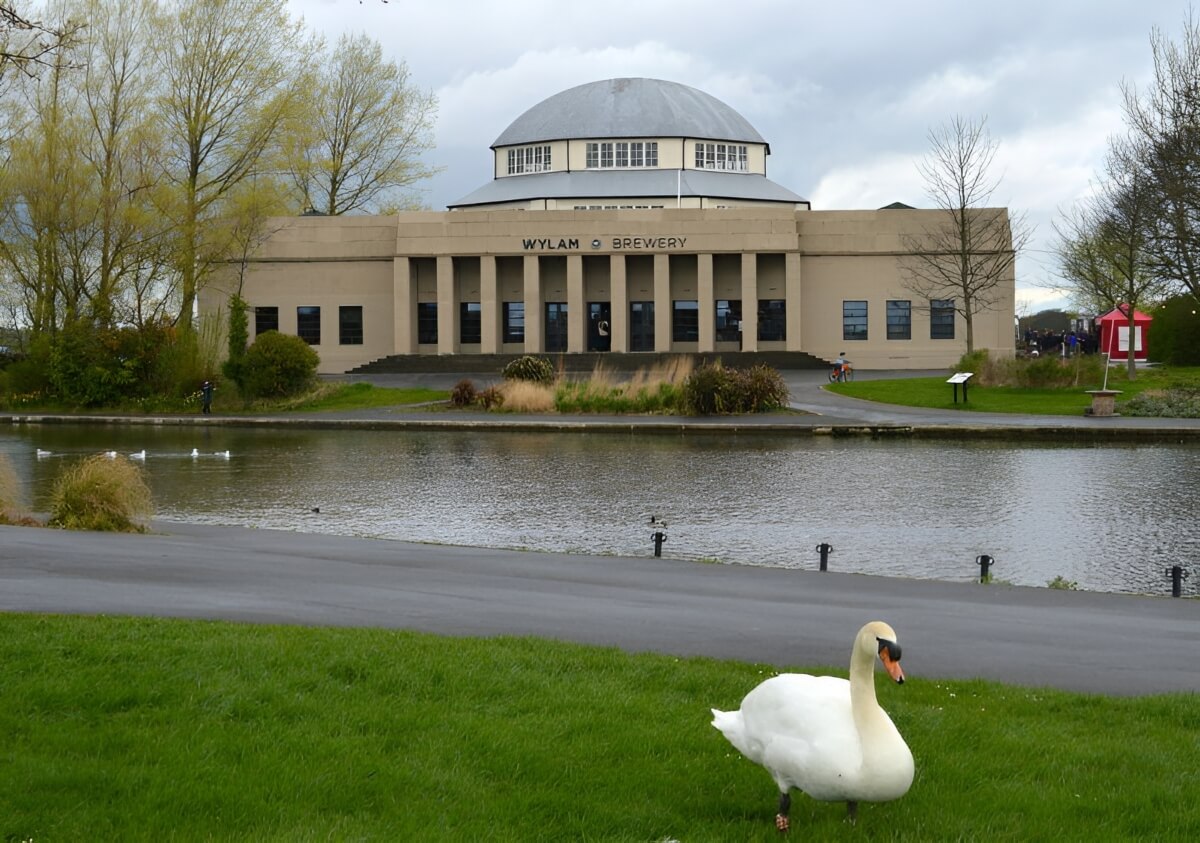
The park is also home to Wylam Brewery, which occupies the striking Palace of Arts building. Originally built for the North East Coast Exhibition of 1929, it is the last surviving pavilion from the event and gives the park an interesting connection to Newcastle’s past. On a sunny day you’ll find people sitting outside the lakeside café, while others head to Wylam Brewery for lunch or a drink in the beautifully restored Palace of Arts.
Wylam Brewery regularly hosts food events throughout the year. I visited the Battle of the Burgers, which brought together street food vendors from across the region for a day of good food and friendly competition.
Whether you’re looking for somewhere to walk, enjoy a picnic, meet friends for a drink or simply sit and watch the world go by, Exhibition Park is a lovely place to spend an hour or two.
Leazes Park
Leazes Park feels like a quiet pocket of calm tucked between the city centre and the bustle of Newcastle.
Opened in 1873, it was Newcastle’s first public park and remains a popular place for a gentle stroll. Despite being close to the city centre, it often feels surprisingly peaceful. The large lake attracts ducks, swans and geese, while mature trees provide shade along the paths.
Leazes Park has a character all of its own because it sits beside St James’ Park, home of Newcastle United. On match days the area fills with black and white shirts as supporters make their way to the stadium. Football is woven into the fabric of the city, and for many Geordies supporting Newcastle United is a family tradition passed down through generations.
The contrast is part of the park’s charm. One moment you can hear the excitement of match day nearby and the next you’re watching ducks glide across the lake or enjoying the shade beneath the trees.
The park changes with the seasons. Spring brings blossom and fresh greenery, summer sees people relaxing on the grass, while autumn colours reflect in the water. Even on a grey day there is something calming about walking around the lake and watching the wildlife.
If you’re looking for somewhere to pause during a day exploring Newcastle, Leazes Park offers a welcome break from the busy streets nearby.
Town Moor
The Town Moor often catches visitors by surprise.
Just a short walk from the city centre, the Town Moor is a vast area of open common land that has been part of Newcastle life for centuries. Covering around 1,000 acres, it is larger than many famous city parks and gives Newcastle a unique connection to the countryside.
The first thing most people notice is the cattle. Seeing cows grazing peacefully within sight of the city often comes as a surprise. While visitors stop to take photographs, the cows continue eating grass as if there’s nothing unusual about a city on their doorstep.
The Town Moor has a long and fascinating history. For centuries, grazing rights on the Moor have belonged to Newcastle’s Freemen, a tradition that continues today. The cattle you see are a visible reminder of customs that stretch back hundreds of years.
Over the years the Moor has been used for grazing animals, fairs, races and public gatherings. Today it remains home to events including The Hoppings, Europe’s largest travelling funfair. It was also the site of public executions, a reminder that this peaceful landscape has witnessed many different chapters of Newcastle’s past.
The Moor has also witnessed some darker moments in Newcastle’s history. For centuries it was used for public gatherings, fairs and races, but it was also the site of public executions. The last execution on the Town Moor took place in the nineteenth century, a reminder that this peaceful landscape has seen many different chapters of the city’s past.
Today the Moor provides a place for walking, running, picnics and escaping the bustle of the city. On a clear day the open views and wide skies make it easy to forget that you’re only minutes from shops, museums and busy streets.
The Town Moor is one of those places that feels distinctly Newcastle. Few cities have such a large area of common land at their heart, and fewer still share it with cattle.
Jesmond Dene
A short Metro ride or bus journey from the city centre brings you to one of Newcastle’s most beautiful green spaces.
Jesmond Dene follows the wooded valley of the Ouseburn and feels surprisingly wild compared to the busy streets nearby. Winding paths follow the stream beneath mature trees, passing waterfalls, stone bridges and hidden corners that invite exploration.
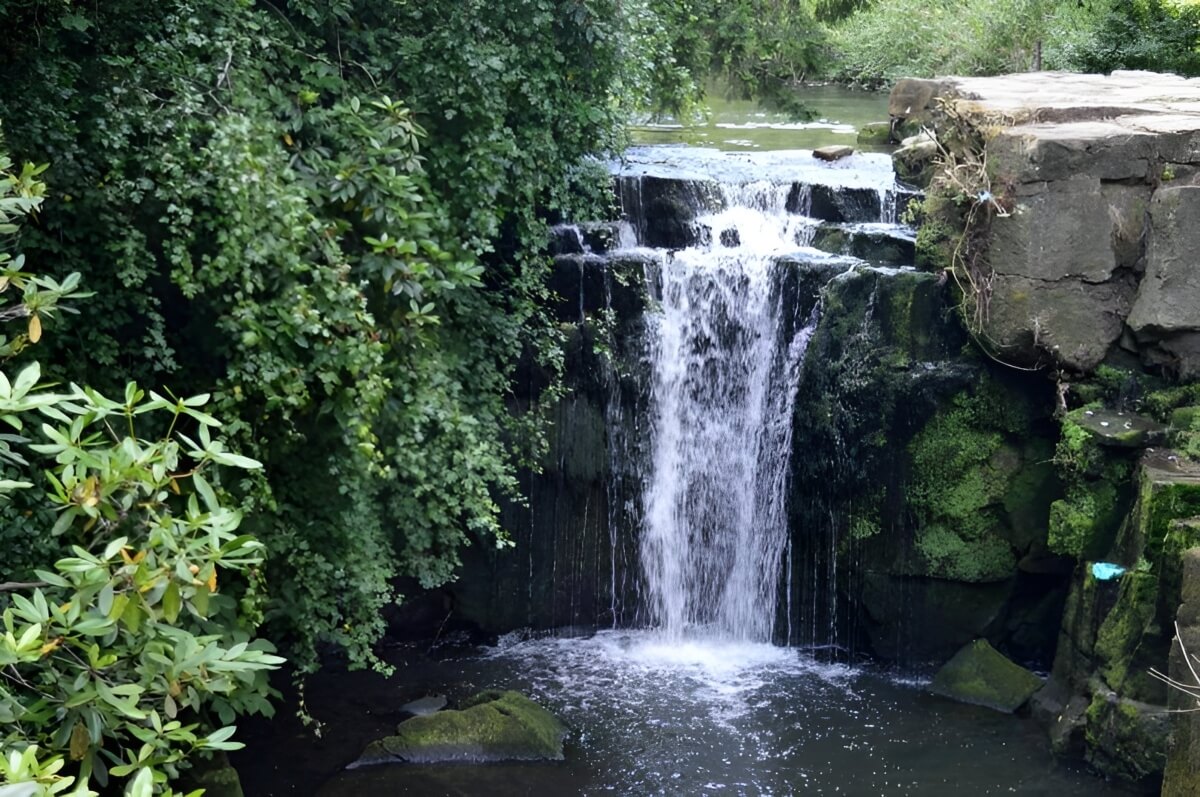
Jesmond Dene changes beautifully with the seasons. In spring the woodland is filled with fresh green leaves and birdsong, while autumn brings rich colours that make every walk feel different. Even on a grey day there is something peaceful about following the Ouseburn through the valley.
The Dene was gifted to the people of Newcastle by Lord Armstrong and remains one of the city’s most loved places for walking and exploring. Families often head to Pets’ Corner, where children can meet a variety of animals, while walkers enjoy exploring the network of paths that weave through the valley. It is the sort of place where you can visit many times and still find a new viewpoint, a different route or a detail you hadn’t noticed before.
What I enjoy most is the feeling of stepping away from the city for a while. Although Newcastle is never far away, the trees, running water and wildlife create a sense of calm that makes it easy to forget how close you are to urban life.
Whether you’re looking for a gentle walk, somewhere to enjoy nature or simply a place to slow down for a while, Jesmond Dene remains one of Newcastle’s most treasured green spaces.
Local Tip: If you’re visiting on the first or third Saturday of the month, check whether the Jesmond Food Market is taking place on Armstrong Bridge. Local bakers, food producers and street food traders gather beneath the trees, creating one of the most atmospheric food markets in Newcastle. Read about my visit to Jesmond food market.
Looking Beyond Newcastle City Centre
If you have more time to explore, there are plenty of fascinating places just beyond the city centre. The creative community of Ouseburn, the Roman remains at Segedunum in Wallsend and the beautiful coastline at Tynemouth all make excellent additions to a Newcastle visit.
I’ve written more detailed guides to each of these places if you’d like to continue exploring the North East.
What Makes Newcastle Worth Visiting?
Newcastle is a city of contrasts.
Within a short walk you can move from medieval castles and ancient city walls to modern bridges and contemporary galleries. You can spend the morning exploring museums, the afternoon walking through woodland in Jesmond Dene and the evening watching the lights reflect on the Tyne.
What makes Newcastle special isn’t any single attraction. It’s the way old stone, working streets, museums, bridges and daily life all rub shoulders. The city’s industrial past is still visible in its buildings and museums, while traditions such as the grazing rights on the Town Moor continue to shape life today.
I came to Newcastle as a student expecting to stay for a few years before moving on. Somewhere along the way that plan changed. I found work here, made friends and gradually realised I didn’t want to leave.
Even now, one of my favourite views is seeing the Tyne Bridge as the train approaches Newcastle. It’s one of those moments that tells me I’m home.
I think that’s part of Newcastle’s appeal. It has the history and culture that visitors come to see, but it also has a warmth that encourages people to stay a little longer than they planned. The city’s character comes not just from its landmarks but from the people, traditions and sense of belonging that have grown up around them.
Whether you’re interested in history, culture, food, architecture or simply exploring somewhere with character, Newcastle offers far more than many visitors expect.
It’s a city that rewards curiosity.
Frequently Asked Questions
Explore the Quayside, visit Newcastle Castle, discover the city’s museums, relax in its parks and spend time exploring Newcastle’s historic heart. The city offers a mix of history, culture, green spaces and newer places to explore, from galleries to riverside spaces.
Yes. Newcastle combines centuries of history with museums, galleries, green spaces and one of the most recognisable waterfronts in the UK. It is compact enough to explore on foot, but rich in stories, from Roman remains and medieval streets to the bridges that have become symbols of the city.
Newcastle is famous for the Tyne Bridge, Newcastle Castle, Newcastle United, its industrial heritage, friendly locals and distinctive Geordie culture. It is also known for innovation, engineering and its vibrant Quayside.
Many of Newcastle’s main attractions are within walking distance of each other. The Quayside, Castle, Cathedral, Lit & Phil, Common Room and many museums can easily be explored on foot, although some attractions such as Jesmond Dene are easier to reach by Metro or bus.
Families can visit the Great North Museum: Hancock, Discovery Museum, Exhibition Park, Jesmond Dene and Pets’ Corner. Seasonal events and exhibitions throughout the year provide plenty of additional activities.
A weekend is enough to see many of the city’s highlights, but three to four days allows time to explore museums, parks, nearby attractions and the surrounding North East coastline.
Final Thoughts
Whether you’re visiting for a few hours, a weekend or much longer, Newcastle is a city that rewards exploration.
Some of its best experiences are the famous landmarks, while others are the places you discover by accident: a quiet library, a hidden gallery, a walk beside the Ouseburn or even a field of cows in the middle of the city.
I hope this guide helps you discover a few of your own favourite corners of Newcastle.
If you have a favourite place I’ve missed, let me know in the comments below.


We’re planning a few day trips to Newcastle during the holidays….Visiting the Centre of Life & The Discovery Museum for definite 🙂
Give me a wave! I love both of these places and they are next door to each other which is handy
Thank you for such great insight into your city.
The milenium bridge looks really impressive !
It’s even more amazing when you see it move. I have only seen it once but was fascinated
Wow, do they make it move for some reason or is it just an effect of the wind ?
Brilliant tips! It’s on my list to visit… one day! 🙂
You must come, would love to see your photos